VAWA
VAWA Lawyer in Long Island & Suffolk County, NY
Exploring Self-Petitions for Victims of Domestic Violence
Abusers often use immigration status as a way to control their victims, taking their passports or refusing to sponsor the victim for immigration if they do not stay in the relationship. In 1994, the Violence Against Women Act created a way for victims of domestic abuse to be able to self-petition for immigration benefits, offering a much-needed path forward for victims who want to escape their abusers and start an independent life within the United States.
Find out if you qualify for a VAWA petition and if this option could make sense for your situation when you meet with a VAWA immigration attorney at The Law Office of Judith C. Garcia. Call our Long Island office at 631-505-5649 for a consultation.
How Does VAWA Immigration Relief Work?
In most cases, someone wanting to immigrate to the United States needs to have a sponsor. This is often an immediate family member, such as a spouse, or an employer if someone is coming to the country on a work visa.
While this process ensures that there is someone who can financially support the immigrant once they are in the country, it also means that immigrants rely on their sponsors to maintain their immigration status. When the sponsor is also the person’s abuser, it can trap the victim in the abusive relationship, leaving them no way out without putting their immigration status at risk.
VAWA protection gives victims the option to file for immigration status independently without the knowledge or cooperation of their abuser. Instead of needing a sponsor, the victim can file a VAWA self-petition directly with the U.S. Citizenship and Immigration Services office.
What Are the Eligibility Requirements for a VAWA Self-Petition?
To qualify for VAWA relief and to file a self-petition, the petitioner must be the victim of abuse by a U.S. citizen or lawful permanent resident, and they must have a qualifying relationship with their abuser. The abuser generally needs to be a spouse, adult child, or parent of the victim. The abuse must also rise to the level of battery or extreme cruelty. This can include physical or sexual violence as well as psychological abuse. In some cases, financial abuse or making threats could also qualify.
The petitioner also needs to be generally admissible to the United States and show good moral character. An immigration attorney can help you identify if there could be any potential challenges to your admissibility and let you know if a waiver may be an option, if so.
Is VAWA Only for Women?
It is a common misconception that VAWA self-petitioners must be women because it is called the Violence Against Women Act. But men and nonbinary individuals can also qualify as self-petitioners as long as they meet the other requirements. The most important things are to be able to prove a qualifying relationship with the abuser and that the abuse rose to a level to be considered battery or extreme cruelty.
What Evidence Is Used to Support a VAWA Self-Petition?
What evidence makes the most sense to use to support a VAWA self-petition depends on the facts of the case, but supporting documentation generally falls into one of four categories:
Proof that the abuser is a U.S. citizen or lawful permanent resident, such as a birth certificate, passport, or Green Card
Proof of the qualifying relationship between the victim and the abuser, such as a marriage or birth certificate
Proof that the abuse rose to the level of battery or extreme cruelty, such as medical records or police reports
Proof that the petition has good moral character, such as criminal records and affidavits
It is important to know that the U.S. Citizenship and Immigration Services office accepts any type of credible evidence to support a VAWA self-petition. It is common for victims to have difficulty obtaining official documentation, and both witness statements and personal declarations can be used in these cases.
What Happens If a VAWA Self-Petition Is Denied?
Denials can occur for a variety of reasons, including technical issues or the reviewer’s belief that the petition lacked sufficient evidence to support it. For example, they may deny the petition if there was weak evidence for the level of abuse, or it wasn’t clear what the relationship was between the victim and the abuser.
If your VAWA petition is denied, you will be given a reason why. Talking to an attorney about your situation as soon as you receive a denial can ensure you understand your potential options for next steps. In some cases, you may be able to file a motion to reopen the case or for it to be reconsidered. An appeal may also be an option, depending on the circumstances.
Your attorney may also advise applying under a different immigration status, such as for a U visa or a T visa, if the denial notice indicates you do not qualify for VAWA relief.
Can You Apply for a Green Card With an Approved VAWA Self-Petition?
While a VAWA petition provides immigration relief, many petitioners hope to remain in the United States permanently. Applying for and receiving a Green Card, known as lawful permanent resident status, allows you to achieve this. You can apply for lawful permanent residence once your VAWA petition has been approved. It is also possible to submit an application for both at the same time, which may help speed up the process a bit. Remember that having an approved VAWA petition does not automatically mean you will be granted a Green Card. An attorney can guide you through this process and ensure you understand what to expect.
No one should have to stay with an abuser because they are worried about their immigration status or being subjected to removal proceedings. At The Law Office of Judith C. Garcia, we’re dedicated to ensuring that victims understand their options and advocating for those who want to remain in the United States independently. If you have questions about VAWA relief and whether you may qualify, contact our firm at 631-505-5649 to schedule an appointment with a VAWA immigration lawyer.
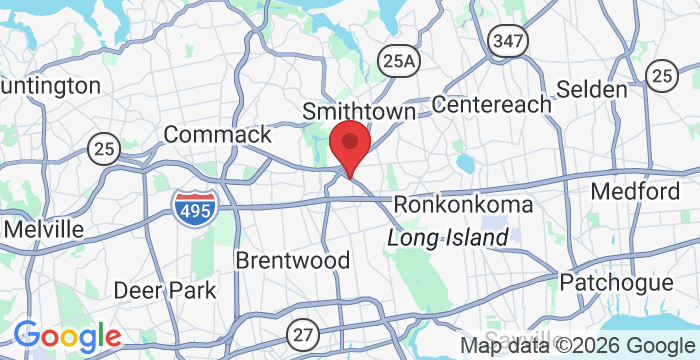
Address
The Law Office of Judith C. Garcia
888 Veterans Memorial Highway
Hauppauge, NY 11788
Phone
© 2026 The Law Office of Judith C. Garcia | All Rights Reserved | Privacy Policy | Terms & Conditions