Asylum
Asylum Attorney in Long Island, NY
Explaining Immigration Law and Relief Options to Asylum Seekers
Carlos has over 20 years of immigration experience. He is a graduate of New York University with a Major in Economics and a minor in Psychology. Prior to joining the Law Office of Judith C Garcia, Carlos has worked at major financial institutions including Donaldson, Lufkin and Jenrette, Credit Suisse, Bank of Tokyo and Bank of America.
What Is Asylum?
Asylum is a form of humanitarian protection that the United States offers to individuals already in the country or at a port of entry who are fleeing persecution. It is commonly confused with refugee status because both forms of protection are for the same group of people. The difference is where the person is located when they apply. If the person is already in the United States or at a port of entry, they apply for asylum. If they are outside the United States, they would apply for refugee status.
Who Is Eligible for Asylum?
To be eligible for asylum, you must not hold U.S. citizenship, and you must be able to show evidence that you have either suffered persecution in the past in your home country or that you have a well-founded fear that you would be subject to persecution if you returned. Asylum law also requires that the persecution be based on one of the five categories:
Membership in a particular social group
Nationality
Political opinion
Race
Religion
You must apply for asylum within 1 year of entering the United States. It is also possible to include your spouse and any unmarried children under the age of 21 on your application.
If you are found eligible for asylum, you will be allowed to remain legally in the United States. This can include obtaining permission to work and, eventually, applying for a Green Card and obtaining lawful permanent resident status.
What Evidence Can Be Used to Prove Persecution?
One of the main parts of the asylum process is showing that you were the victim of persecution in the past or have a reasonable fear that you will be the victim of persecution if you return to your country of origin. However, this is not always easy to prove. An attorney can help you put together strong evidence and documentation to support your claim, which may include records such as:
News reports on the country’s conditions and current dangers
Statements from experts on the social and political conditions within the country
Police reports and medical records that show evidence of past persecution
Informal documentation, such as witness statements and personal testimony, is also allowed as evidence to support your fear of persecution.
In addition to proving that you are in danger of persecution, you must also show that the persecution is based on one of the specific protected classes. In some cases, this is more obvious than others, particularly when persecution is based on race. In others, evidence could include documentation that you belong to that protected class, such as showing a national ID or records that demonstrate attendance at a religious institution.
What Is the Asylum Process?
The process for asylum varies slightly depending on whether you are applying for affirmative or defensive asylum. Affirmative asylum is for those who are not currently facing any immigration court case or removal proceedings. If you arrived at a port of entry to the United States and immediately applied for asylum, this is an example of affirmative asylum.
Affirmative asylum cases are handled by U.S. Citizenship and Immigration Services. You file the application with USCIS, and then you will be told to schedule a biometrics appointment and an asylum interview. The interview happens before an asylum officer, who will review the evidence and ask you questions about your background and case. If you are approved, you will be granted asylum status.
Defensive asylum is different in that it is for those who are currently in removal proceedings and facing deportation. This can happen if you were arrested for immigration violations, if you were apprehended at the border, or if you were subject to removal proceedings after your affirmative asylum application was denied. Defensive asylum cases are heard by an immigration judge instead of an asylum officer, and it is considered an adversarial process. A government attorney will be there to present their case as to why you should not be granted asylum, which makes it critical that you have your own legal representation.
What Happens If an Asylum Case Is Denied?
Asylum approval rates vary significantly by home country, with some countries seeing well over a third of asylum applications denied, while others have denial rates that are less than 10 percent. An immigration lawyer can help you get an idea of how likely your application is to be approved based on the facts of your case and your country of origin. If your asylum application is denied, you may have other options. You may be eligible to file an appeal or a motion to reopen your case. An attorney can also discuss with you other immigration relief options, such as withholding of removal or Convention Against Torture (CAT) protection.
Being denied asylum does not mean you will have to go back to your country of origin, but it is something that should be dealt with seriously and quickly. If you are planning on applying for asylum or you’ve been denied and are facing removal proceedings, contact The Law Office of Judith C. Garcia at 631-505-5649 to talk to an experienced asylum lawyer and learn more about your options and next steps.
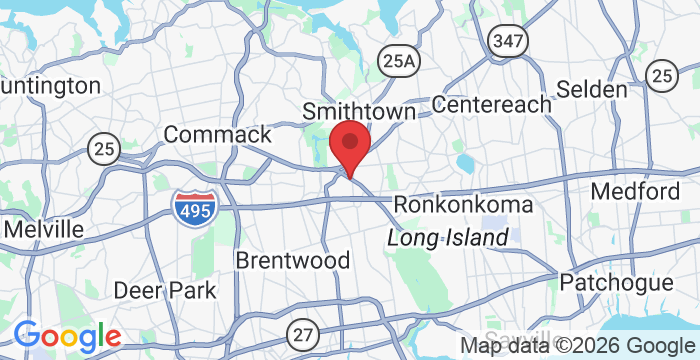
Address
The Law Office of Judith C. Garcia
888 Veterans Memorial Highway
Hauppauge, NY 11788
Phone
© 2026 The Law Office of Judith C. Garcia | All Rights Reserved | Privacy Policy | Terms & Conditions