Citizenship
Citizenship & Naturalization Lawyer in Long Island, NY
Explaining Immigration and Naturalization Law as It Applies to U.S. Citizenship
For many people, becoming a U.S. citizen is the final step in a long immigration journey and a significant life milestone. While the naturalization process is there to help immigrants who want to make the United States their home become permanent citizens, specific documentation and steps are required. Understanding what to expect during the process can make it easier and less stressful.
If you are a Green Card holder who is interested in becoming a U.S. citizen, contact The Law Office of Judith C. Garcia at 631-505-5649 to learn more about the legal services our law firm provides and how to start the process of naturalization.
Who Is Eligible to Apply for U.S. Citizenship Through Naturalization?
There are strict eligibility requirements to become a naturalized U.S. citizen, and it’s a longer process than many people think. Before you can apply for naturalization, you must already be a lawful permanent resident. In most cases, you must hold your Green Card for at least five years unless you are married to a U.S. citizen, in which case the law only requires three years. During this timeframe, you must maintain a continuous residence and physical presence within the United States. While it’s possible to travel internationally for short periods, it’s advisable to talk with an attorney before doing so to ensure you won’t inadvertently affect your status.
Other requirements for applying for U.S. citizenship include being of good moral character, including not having a disqualifying criminal record, and having a basic understanding of the English language and U.S. civics. An Oath of Allegiance is required upon becoming a U.S. citizen, and it’s essential to be aware of whether you can maintain dual citizenship or whether you must give up citizenship in your country of origin. All applicants must be at least 18 years old when they file the Application for Naturalization (Form N-400), even if they have been a lawful permanent resident for more than five years.
What Are the Benefits of Becoming a Naturalized Citizen?
Becoming a naturalized citizen is an end goal for many who come to the United States from other countries, and this status offers considerable benefits. Naturalized citizens are able to vote in federal elections and are eligible for a greater range of federal benefits and programs. You will be able to get a U.S. passport, which makes it easier to leave and re-enter the country and provides travel privileges and benefits to many countries around the world without a visa.
Another benefit of acquiring U.S. citizenship is the ability to sponsor more of your relatives for immigration. Green Card holders can only sponsor qualifying spouses and children, while U.S. citizens can also sponsor parents and siblings.
Lastly, once you are a U.S. citizen, you cannot face removal proceedings. The only exception to this is if there is compelling evidence that you achieved citizenship through fraudulent means.
What Are the Steps to Becoming a U.S. Citizen Through Naturalization?
The first step to becoming a U.S. citizen through naturalization is to ensure you meet the citizenship eligibility requirements. It’s helpful to meet with an immigration attorney early on in the process to ensure you understand what the criteria are and whether this is a valid option for you. An attorney can also help identify any potential challenges, such as with a past criminal record, and explain what strategies can help you address these.
File Form N-400
Once you’re ready to start the process, you file Form N-400, which is the official application for naturalization, with the U.S. Citizenship and Immigration Services office along with your supporting documentation and evidence. You will also need to pay any required fees along with your application.
Biometrics Appointment
The next step is to attend your biometrics appointment. You will be subject to fingerprinting and a background check and will need to provide other identifying information, such as a passport-style photo and a signature.
English and Civics Test
A basic understanding of English and U.S. civics is required to become a U.S. citizen, and this is often referred to as the naturalization test or naturalization interview. The English portion of the test requires demonstrating that you can write, read, speak, and understand English. You will be required to write a sentence and read a sentence, and the spoken part of the test happens informally through your conversations with the interviewer.
The U.S. civics test includes questions about the history and government of the United States. You are allowed to study the questions beforehand, and you only have to answer six out of 10 correctly to pass.
Oath of Allegiance Ceremony
The last step in naturalization is the Oath of Allegiance ceremony. You will present your Green Card, take the Oath of Allegiance to the United States, and then receive your Certificate of Naturalization.
How Long Does the Naturalization Process Take?
Naturalization is not a quick process. Before you can even apply for naturalization, you first have to have held a Green Card for five years (three if you are married to a U.S. citizen). It can take six months to a year or more after filing your application for naturalization to get through all of the steps and receive your official Certificate of Naturalization. Processing times for the application can depend on backlogs at the immigration office and whether there are any issues with your documentation or eligibility.
What Happens If an Application for Naturalization Is Denied?
While most applications for naturalization are approved, there are some situations where your application may be denied. The most common reasons for this to happen include technical issues with your application, such as typos or missing information, or a lack of eligibility due to not having a Green Card long enough or having a disqualifying criminal record.
If your application is denied, you will receive a formal Notice of Denial with the reason for denial included. It’s essential to show this letter to your attorney to ensure you understand why your application was denied and what your options are from this point. In some cases, you can request an administrative hearing or reapply once the reason for the denial has been addressed.
If you’ve applied for citizenship and been denied, don’t panic. It doesn’t mean that you will lose your Green Card status or that you will be subject to removal proceedings. An attorney can help you understand what happens and where to go from here.
Navigating immigration law regarding the naturalization process can be overwhelming, and having legal representation ensures you have someone advocating for you and helping you present your case in the most advantageous way possible. Call The Law Office of Judith C. Garcia at 631-505-5649 to learn how our team can help you achieve this important milestone.
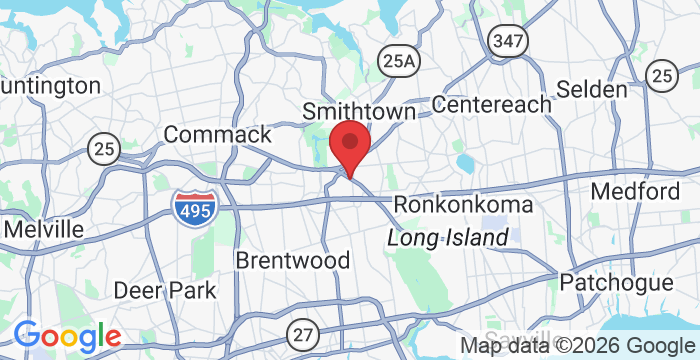
Address
The Law Office of Judith C. Garcia
888 Veterans Memorial Highway
Hauppauge, NY 11788
Phone
© 2026 The Law Office of Judith C. Garcia | All Rights Reserved | Privacy Policy | Terms & Conditions