Deportation Defense
Long Island Deportation Defense Lawyer
Helping Clients Understand Immigration Law and Removal Proceedings
The possibility of being deported is one of the greatest fears we hear from our clients, especially if they are being removed to a country they haven’t lived in for many years. Cases involving removal proceedings can move quickly and be challenging to navigate, but our firm is here to help.
If you’ve received a Notice to Appear, contact The Law Office of Judith C. Garcia at 631-505-5649 as soon as possible to schedule a consultation with a Long Island Deportation Defense lawyer.
What Are Some Common Reasons for Deportation?
What is considered grounds for removal proceedings depends on your status in the United States. The most common reasons for deportation include certain criminal convictions, overstaying a visa, and violating the terms of your immigration status.
Being convicted of a crime involving moral turpitude, such as rape or robbery, an aggravated felony, or certain drug offenses, can trigger removal proceedings because U.S. immigration law generally requires immigrants to maintain good moral character. You can also be subject to removal proceedings if you engage in any actions that make you a security concern or potential risk to public safety.
Overstaying a visa or violating the conditions of your status are two of the most common reasons for deportation. Every visa has a specific expiration date and terms, such as whether you are allowed to work. Staying in the country without renewing your visa or working without authorization can result in removal proceedings.
It’s also possible to be deported if it’s found that you misrepresented the facts of your case or otherwise engaged in fraud in the process of obtaining your visa or Green Card.
Can You Be Deported If You Have a Green Card?
While applying for adjustment of status and receiving your Green Card means you can live and work in the United States permanently, there are still specific terms you must abide by. For example, you can be removed for committing a qualifying crime, such as the ones listed above, or for abandoning your residence. While a Green Card allows you to travel freely outside the United States, long trips abroad without proper documentation may be considered a violation of the stipulation to maintain a continuous residence.
The bottom line is that a Green Card doesn’t provide the same levels of protection against deportation and removal proceedings as U.S. citizenship, and it is possible to be removed from the country if you violate the terms of your status. The legal process of removal proceedings generally starts with receiving a Notice to Appear in immigration court, and it’s critical to take this matter seriously and consult with an immigration attorney as soon as possible.
What Are Your Options for Deportation Defense?
It’s normal to be scared and overwhelmed when you receive a Notice to Appear, but in many cases, there may be other options available to help you avoid removal proceedings. For example, you may be able to request an immigration appeal or cancellation of removal.
Depending on your circumstances and status, there may be other visa options that can help you stay within the United States, such as a U visa or seeking asylum. It may also be possible to avoid deportation with a voluntary departure, which can help you remain eligible to come back to the country at a later date.
What Is the Difference Between Voluntary Departure and a Removal Order?
When someone is being told that they must leave the United States and return to their country of origin, there are generally two main ways this happens: a removal order or a voluntary departure.
A removal order, sometimes also referred to as a deportation order, is issued by an immigration judge and can result in forced removal from the United States. If you are removed with a deportation order, you may be barred from coming back to the United States for a specific amount of time, such as 10 years, or permanently.
A voluntary departure means that the person leaves the United States voluntarily and at their own expense instead of waiting to be deported. Avoiding a formal removal order on your record may mean that you are eligible to return to the country at a later date.
It can be challenging to determine when to fight a deportation order and when to voluntarily leave. Our team can help you choose the right strategy based on the long-term consequences and your future goals.
Can You Come Back to the United States If You’ve Been Deported?
Whether you are able to return to the United States in the future after being removed depends on the circumstances of your case and the reason for removal. For example, severe violations of the Immigration and Nationality Act, such as committing murder or entering into a fraudulent marriage for immigration purposes, are likely to result in a permanent ban on re-entry.
In less severe cases, you may only be subject to a statutory bar, which is generally anywhere from five to 20 years. If you are able to return to the United States when your statutory bar is over, you will need to file Form I-212, which is the Application for Permission to Reapply for Admission into the United States After Deportation or Removal.
The statutory bar and barriers to re-entry are common reasons someone may choose a voluntary departure if they don’t think they will be successful in fighting the removal proceedings.
What Help Can a Deportation Defense and Immigration Lawyer Offer?
A deportation defense and immigration lawyer can help you with your case by reviewing the Notice to Appear and ensuring you understand why you’re being removed. They can also determine what deportation defense strategies may be most successful or identify other forms of relief. An attorney can also represent you in immigration court and ensure that you are able to make informed decisions throughout your case.
The Law Office of Judith C. Garcia has helped those in New York State and the rest of the country navigate deportation cases and fight removal proceedings. If you’re facing deportation, contact our law firm at 631-505-5649 to learn more about our legal services and schedule a consultation with a member of our team.
Address
The Law Office of Judith C. Garcia
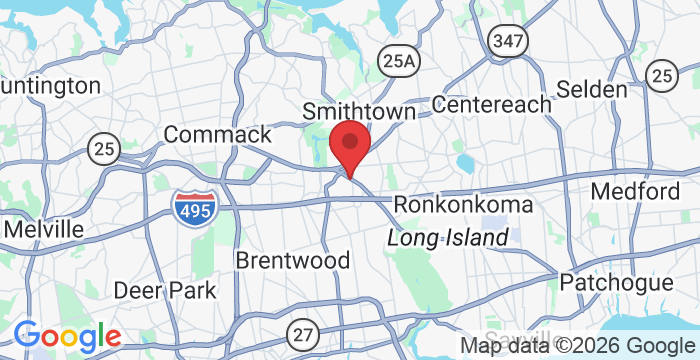
888 Veterans Memorial Highway
Hauppauge, NY 11788
Phone
© 2026 The Law Office of Judith C. Garcia | All Rights Reserved | Privacy Policy | Terms & Conditions